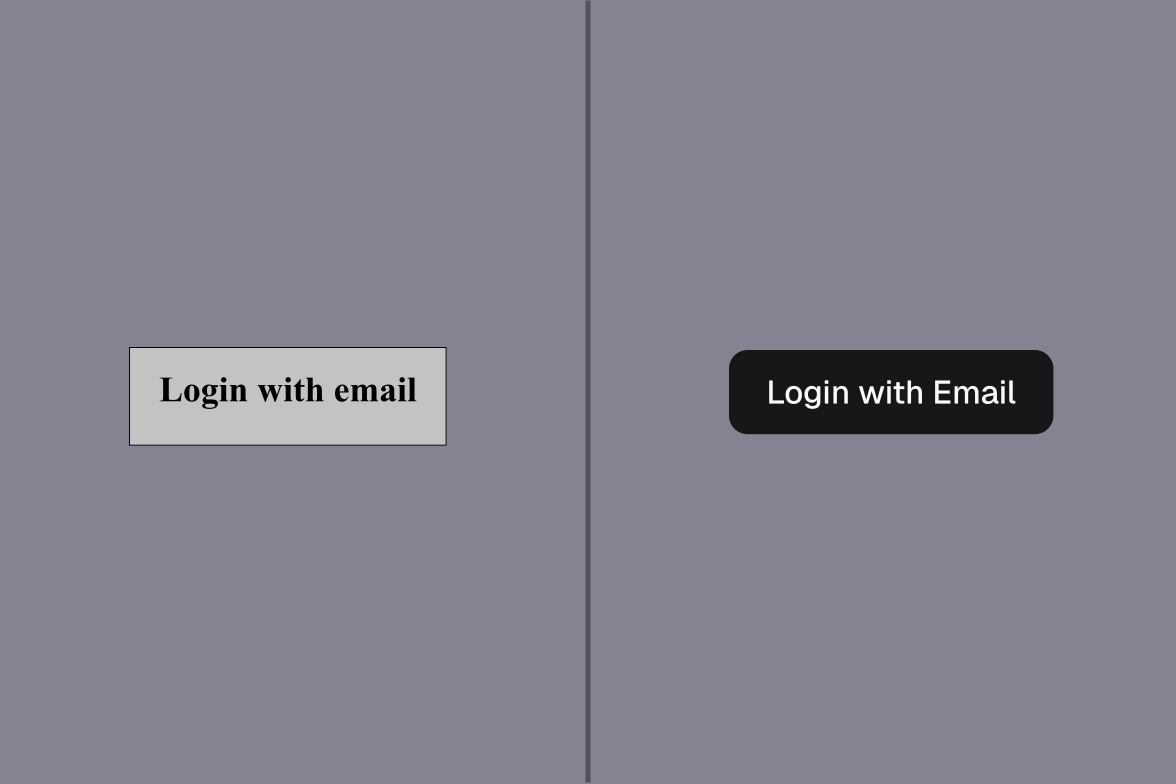
Attractive interfaces are perceived as easier to use, even when they aren't.
The Principle: Users often perceive aesthetically pleasing design as design that's more usable.
- First Impressions Matter: An aesthetically pleasing design creates a positive response in people's brains, leading them to believe the design actually works better than it might.
- Tolerance for Imperfection: People are more forgiving of minor usability issues when a product or service looks visually polished and well-crafted.
- A Double-Edged Sword: Visually pleasing design can mask usability problems and prevent real issues from being discovered during usability testing — so beauty should complement function, not hide its absence.